20 اکتبر 2025, مقالات ISI
Topical Formulation of a Natural Wound Healing Remedy Based on Traditional Persian Medicine
Introduction
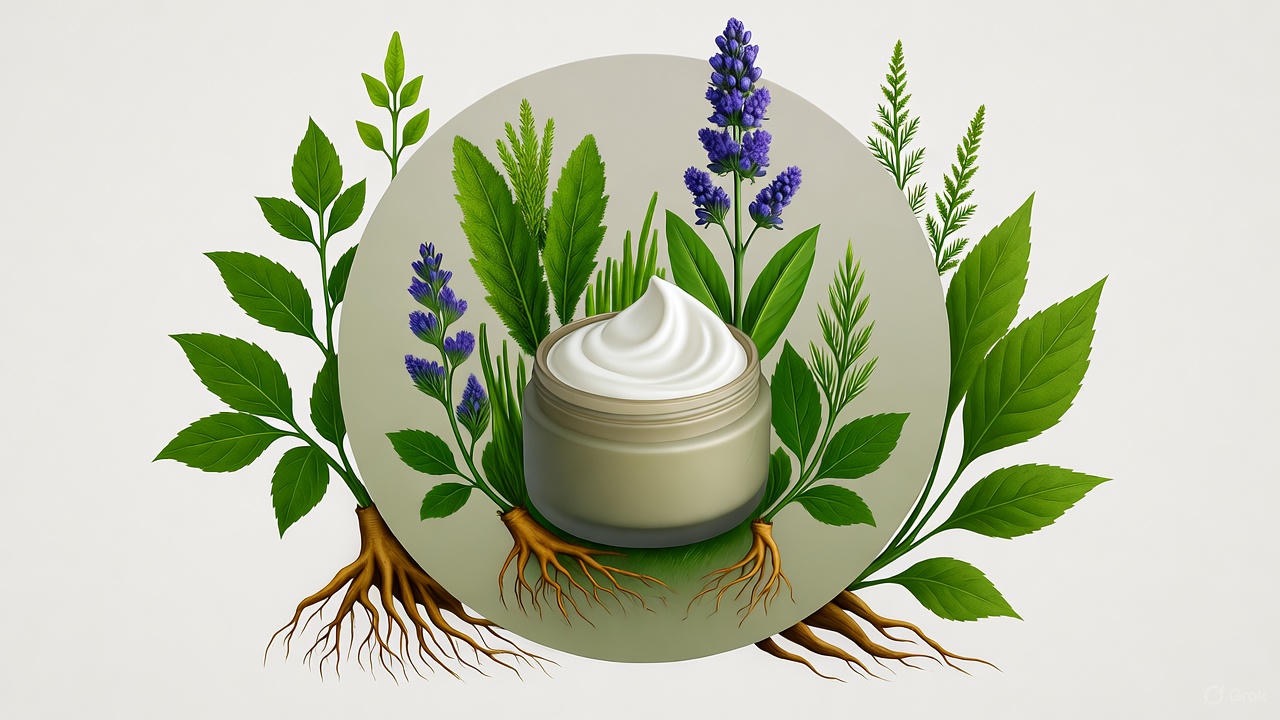
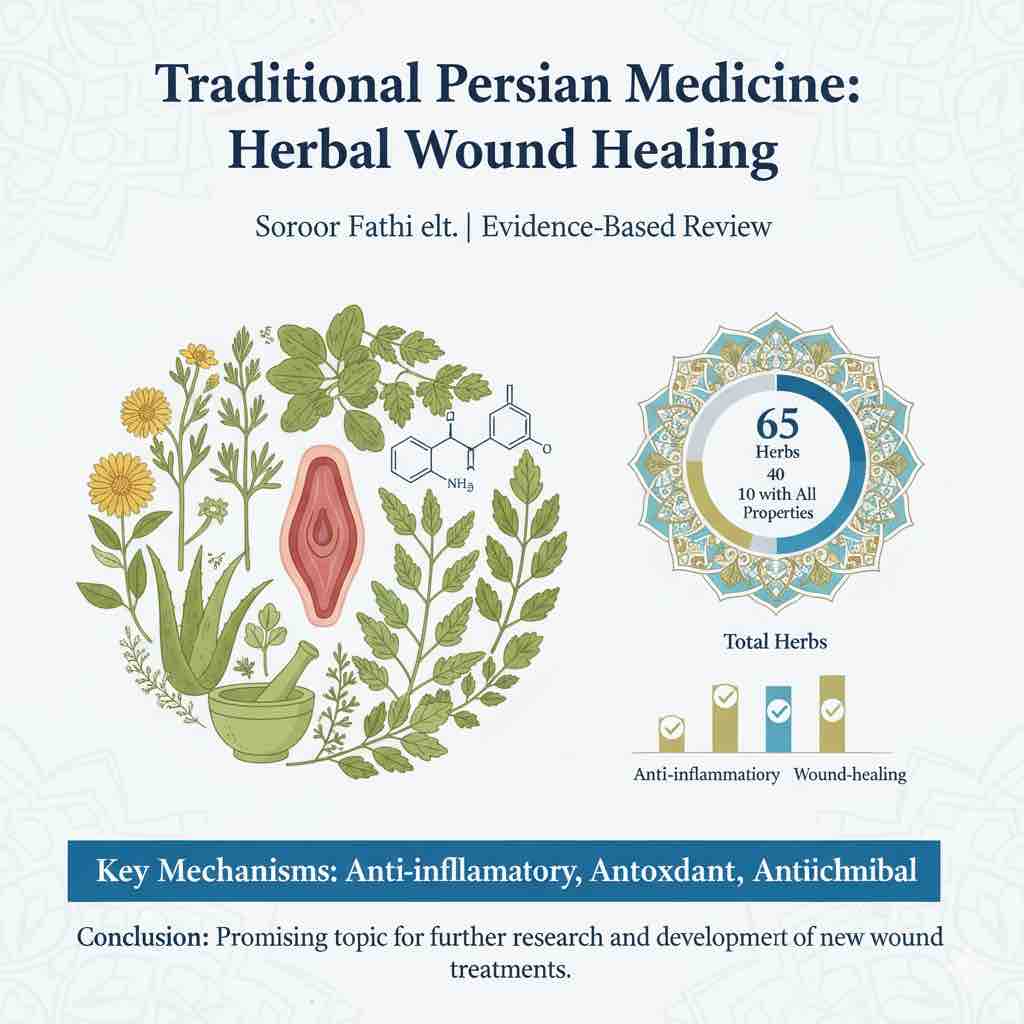
This research explores a novel topical cream formulation based on Traditional Persian Medicine (TPM) for effective skin wound healing. The cream combines extracts from four key botanicals: Myrrh (Mor), Frankincense (Kondor), Astragalus (Anzaroot), and Dracaena (Khune Siavash), each renowned in Persian medicinal heritage for their anti-inflammatory, antimicrobial, and regenerative properties.
Materials and Methods
Herbal powders were extracted using methanol, and a 5% cream was formulated. The cream was evaluated for cytotoxicity using MTT assays on HepG2 cells, antimicrobial activity against fungal strains, and physicochemical stability including homogeneity, spreadability, and rheological properties. High-performance thin-layer chromatography (HPTLC) fingerprinting was employed for quality control and phytochemical profiling.
Results
The cream exhibited no cytotoxic effects and demonstrated significant antifungal activity. Stability tests showed no phase separation or crystallization over 6 months under varied storage conditions. Rheological analysis indicated thixotropic behavior ensuring ease of application and pleasant sensory properties. HPTLC confirmed the presence of characteristic compounds from all botanical ingredients, supporting the integrity of the formulation.
Discussion
The formulation leverages bioactive compounds such as boswellic acids, terpenoids, and phenolics that interact synergistically for wound healing by reducing inflammation, preventing infection, and promoting tissue regeneration. This aligns with TPM principles emphasizing natural equilibrium and holistic treatment.
Conclusion
The developed herbal cream is a promising and stable topical treatment for skin wounds, combining traditional wisdom and modern pharmaceutical science. Its safety, efficacy, and quality control validation suggest potential for broader clinical application in integrative medicine.