Blog > From tradition to science: Possible mechanisms of ghee in supporting bone and joint health

Sept. 30, 2025, مقالات ISI

From tradition to science: Possible mechanisms of ghee in supporting bone and joint health


Abstract

Ghee, a traditional form of clarified butter, has been used for centuries in Ayurvedic medicine for its numerous health benefits. Recent scientific studies have begun to elucidate the molecular mechanisms by which ghee may support bone and joint health. This review explores the bioactive components of ghee, including short-chain fatty acids (SCFAs), medium-chain fatty acids (MCFAs), and fat-soluble vitamins (A, D, E, K2), and their potential therapeutic effects on bone density, joint lubrication, and inflammation. SCFAs in ghee can potentially improve joint lubrication and reduce inflammation. MCFAs and conjugated linoleic acid (CLA) exhibit anti-inflammatory properties, modulating cytokine production and oxidative stress pathways. Vitamins D and K2 in ghee can play potentially crucial roles in calcium metabolism and bone mineralization, while vitamin A supports immune regulation and cartilage health. This review integrates traditional knowledge with contemporary scientific research, highlighting the potential of ghee as a complementary therapy for conditions such as osteoporosis and arthritis. By understanding the molecular mechanisms involved, future studies can focus on this field to shed a light on different effects of ghee on bone and joint health.


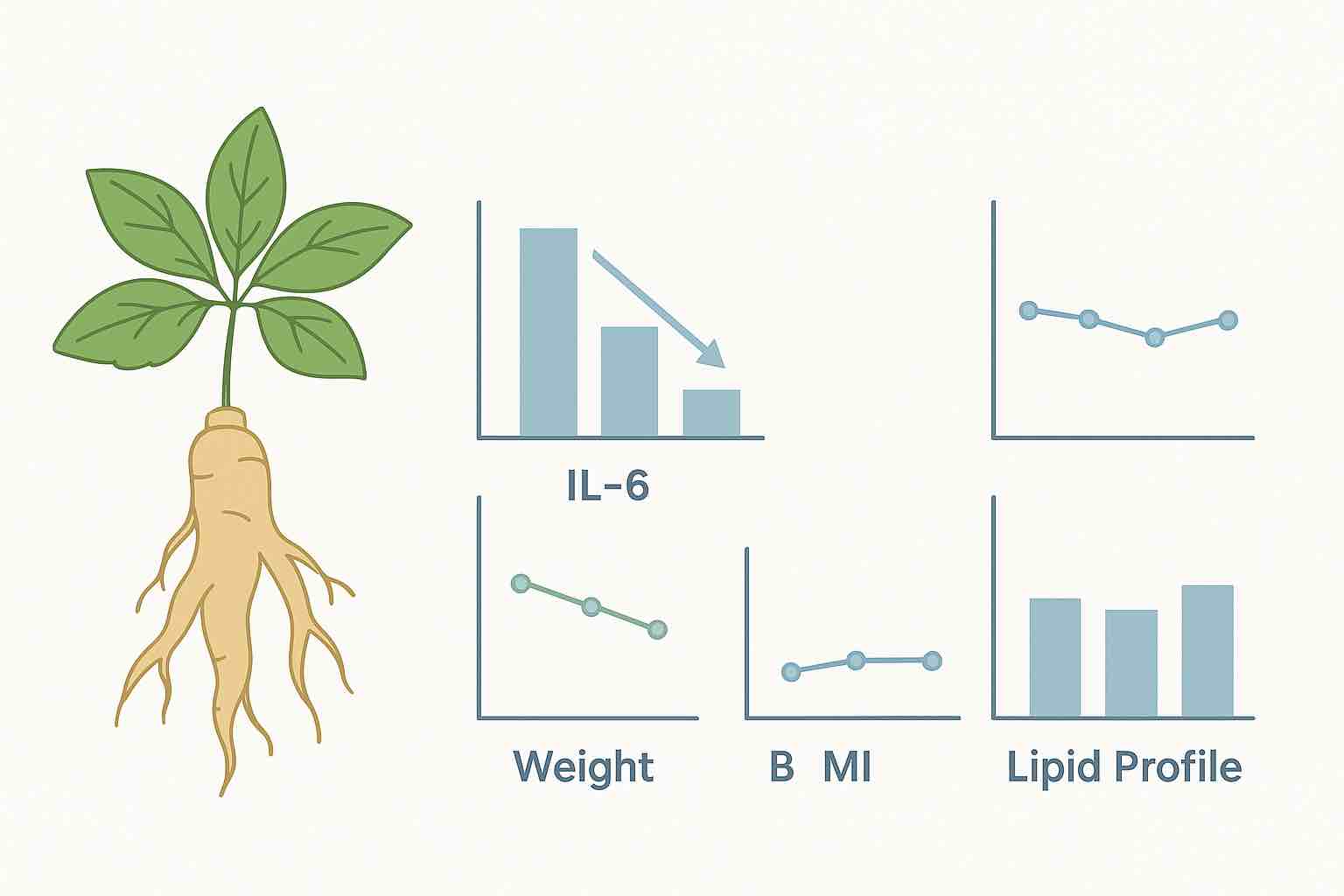
The effect of ginseng supplementation and health outcomes: A GRADE-assessed systematic review and meta-analysis of randomized controlled trials

Ginseng supplementation may improve inflammatory profiles and support cardiometabolic health, according to a comprehensive review of 44 randomized controlled trials.
Oct. 1, 2025, مقالات ISI
The effect of ginseng supplementation and health outcomes: A GRADE-assessed systematic review and meta-analysis of randomized controlled trials

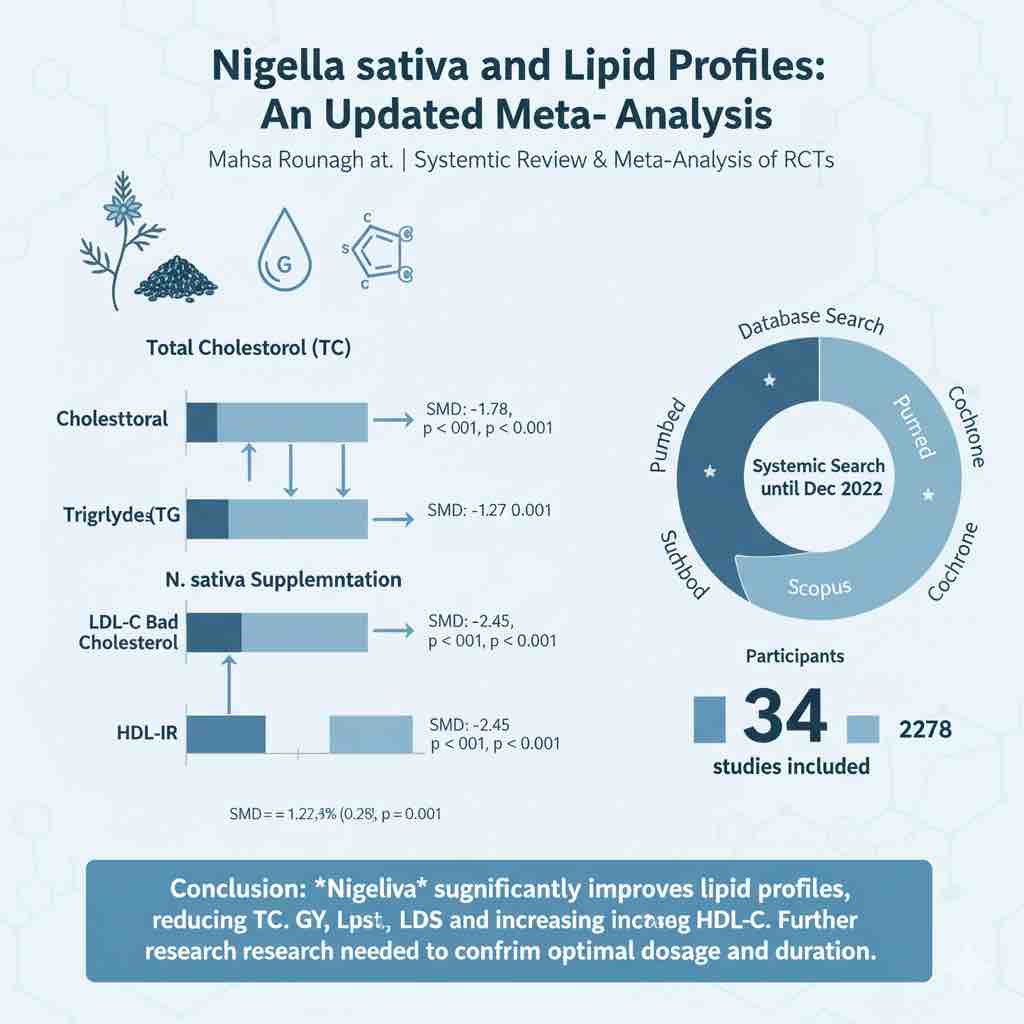
Effects of Nigella sativa supplementation on lipid profiles in adults: An updated systematic review and meta-analysis of randomized controlled trials

Nigella sativa supplementation significantly improves lipid profiles in adults by lowering TC, TG, LDL-C, and raising HDL-C, supporting its role as an adjuvant anti-hyperlipidemic agent.

Sept. 30, 2025, مقالات ISI
Effects of Nigella sativa supplementation on lipid profiles in adults: An updated systematic review and meta-analysis of randomized controlled trials

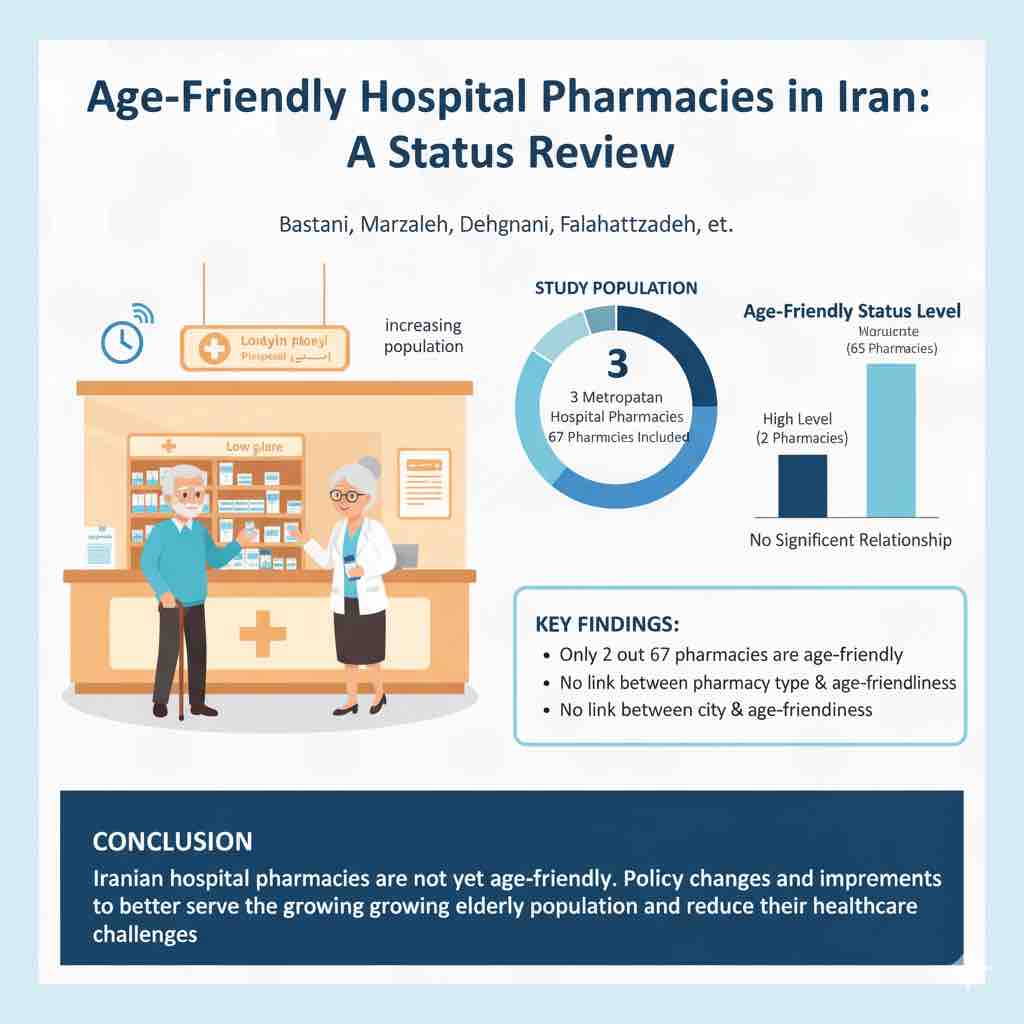
The status of Iranian hospital pharmacies according to age-friendly pharmacies criteria

Most Iranian hospital pharmacies fall short of age-friendly criteria, stressing the urgency for policy and system reforms to meet elderly patients’ needs.

Sept. 30, 2025, مقالات ISI
The status of Iranian hospital pharmacies according to age-friendly pharmacies criteria

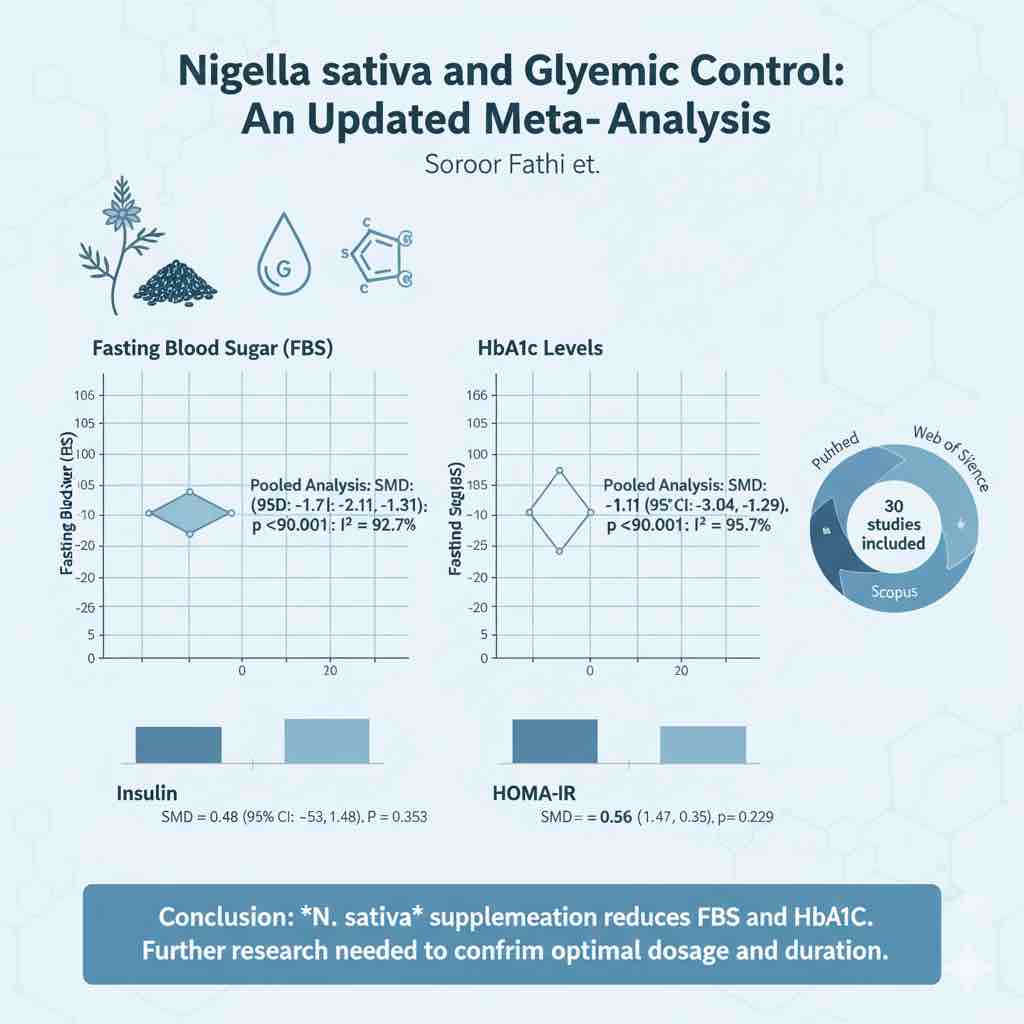
The effect of Nigella sativa supplementation on glycemic status in adults: An updated systematic review and meta-analysis of randomized controlled trials

Nigella sativa supplementation effectively reduces fasting blood sugar (FBS) and HbA1c levels in adults, though its effects on insulin and HOMA-IR are inconclusive.

Sept. 30, 2025, مقالات ISI
The effect of Nigella sativa supplementation on glycemic status in adults: An updated systematic review and meta-analysis of randomized controlled trials

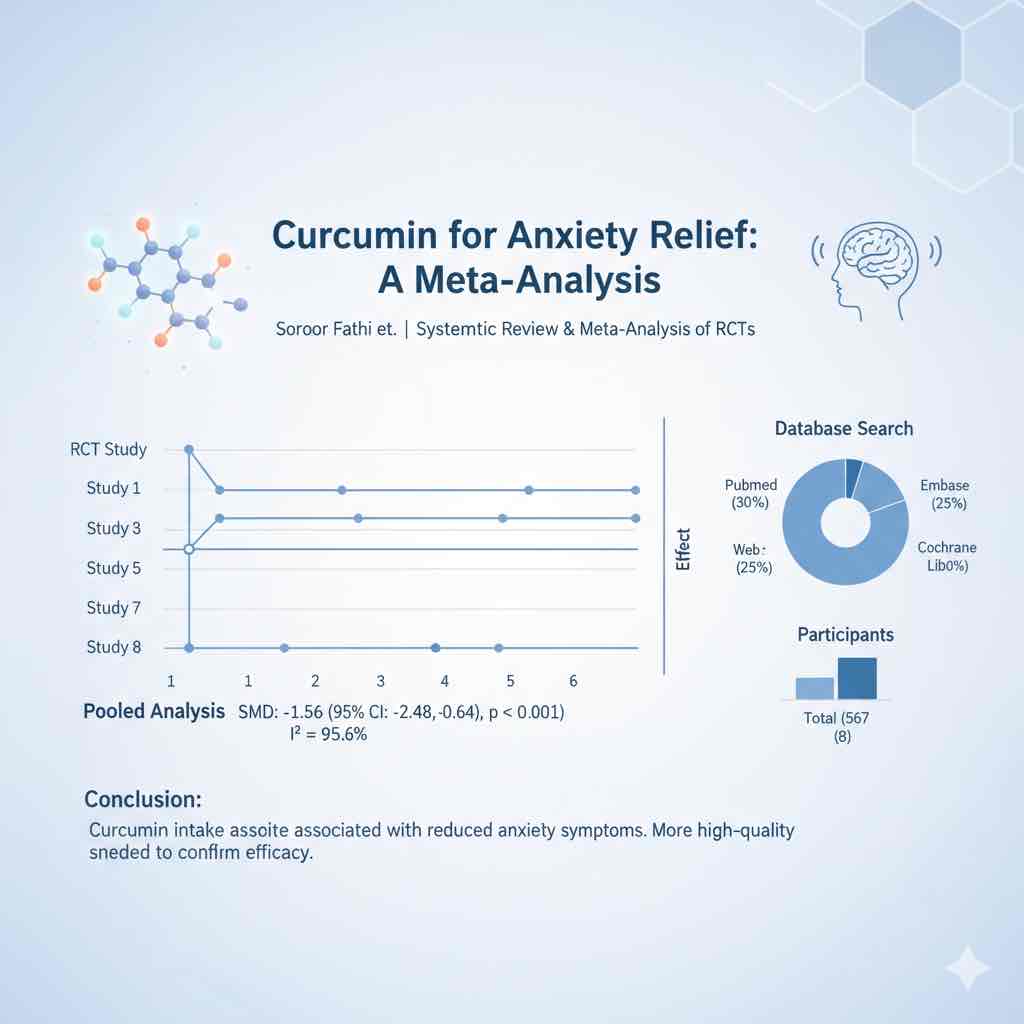
Effect of curcumin supplementation on symptoms of anxiety: A systematic review and meta-analysis of randomized controlled trials

Curcumin supplementation appears to alleviate anxiety symptoms, but more high-quality trials are needed to confirm its clinical effectiveness.

Sept. 30, 2025, مقالات ISI
Effect of curcumin supplementation on symptoms of anxiety: A systematic review and meta-analysis of randomized controlled trials

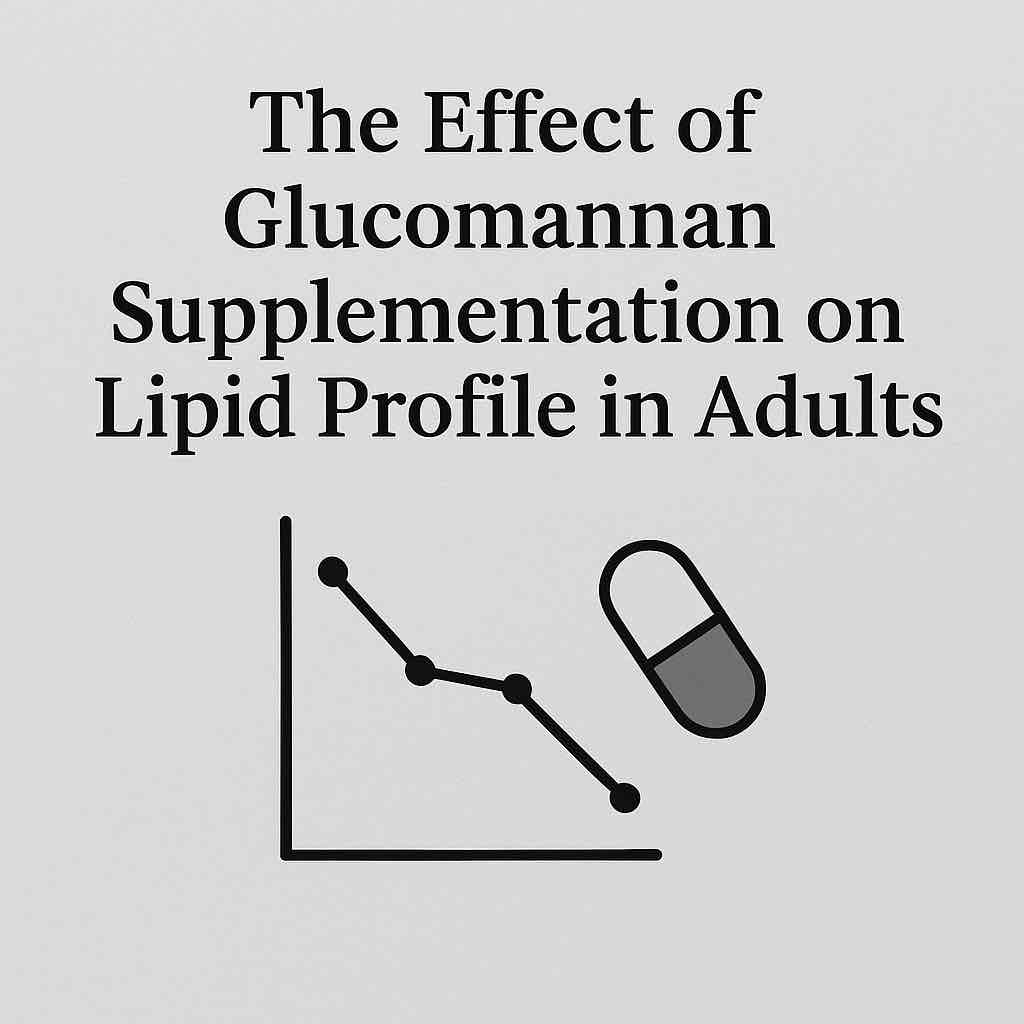
The Effect of Glucomannan Supplementation on Lipid Profile in Adults

Glucomannan supplementation reduces total cholesterol and LDL-C in adults, with no significant effects on TG, HDL-C, or Apo A1 levels

Oct. 1, 2025, مقالات ISI
The Effect of Glucomannan Supplementation on Lipid Profile in Adults

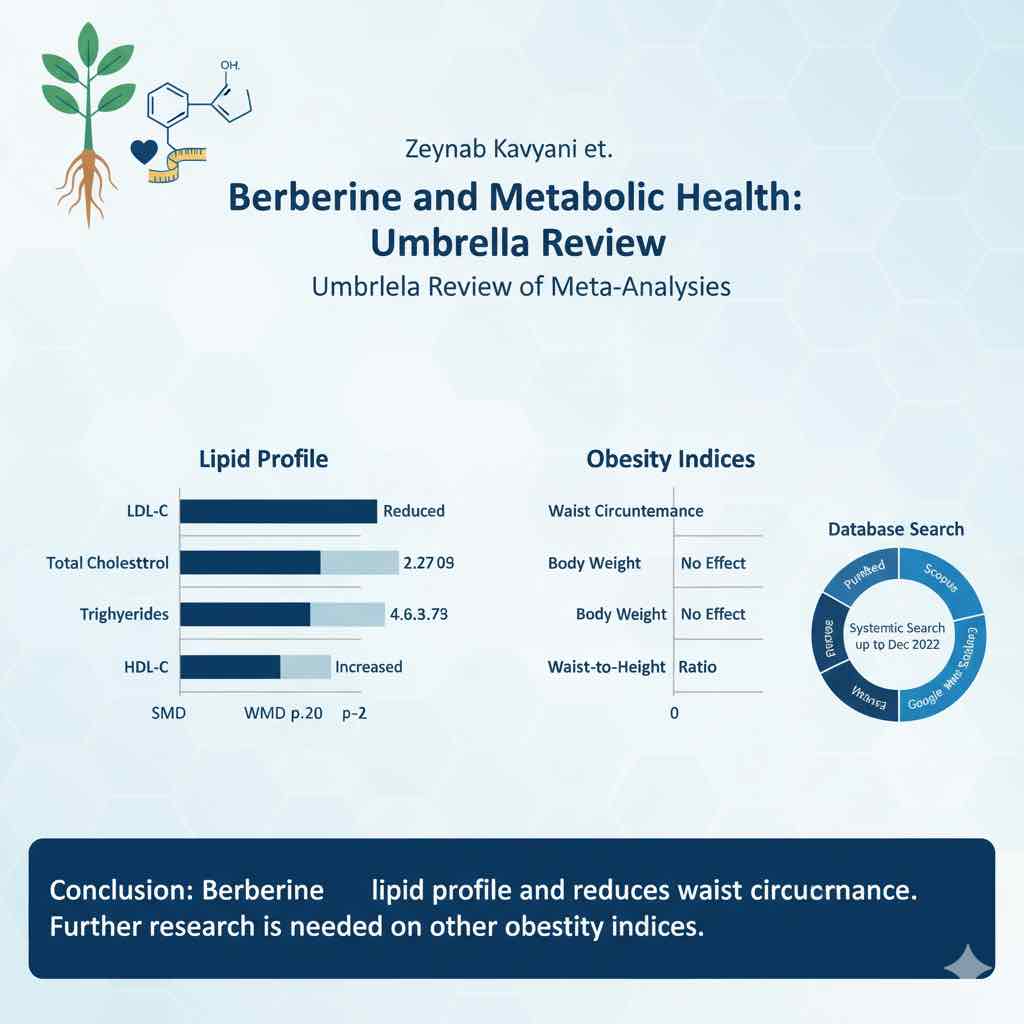
The effect of berberine supplementation on lipid profile and obesity indices: An umbrella review of meta-analysis

Berberine supplementation shows significant benefits in improving lipid profile (reducing LDL-C, TC, TG, and increasing HDL-C) and waist circumference, though its effects on overall obesity indices remain inconclusive.

Sept. 30, 2025, مقالات ISI
The effect of berberine supplementation on lipid profile and obesity indices: An umbrella review of meta-analysis

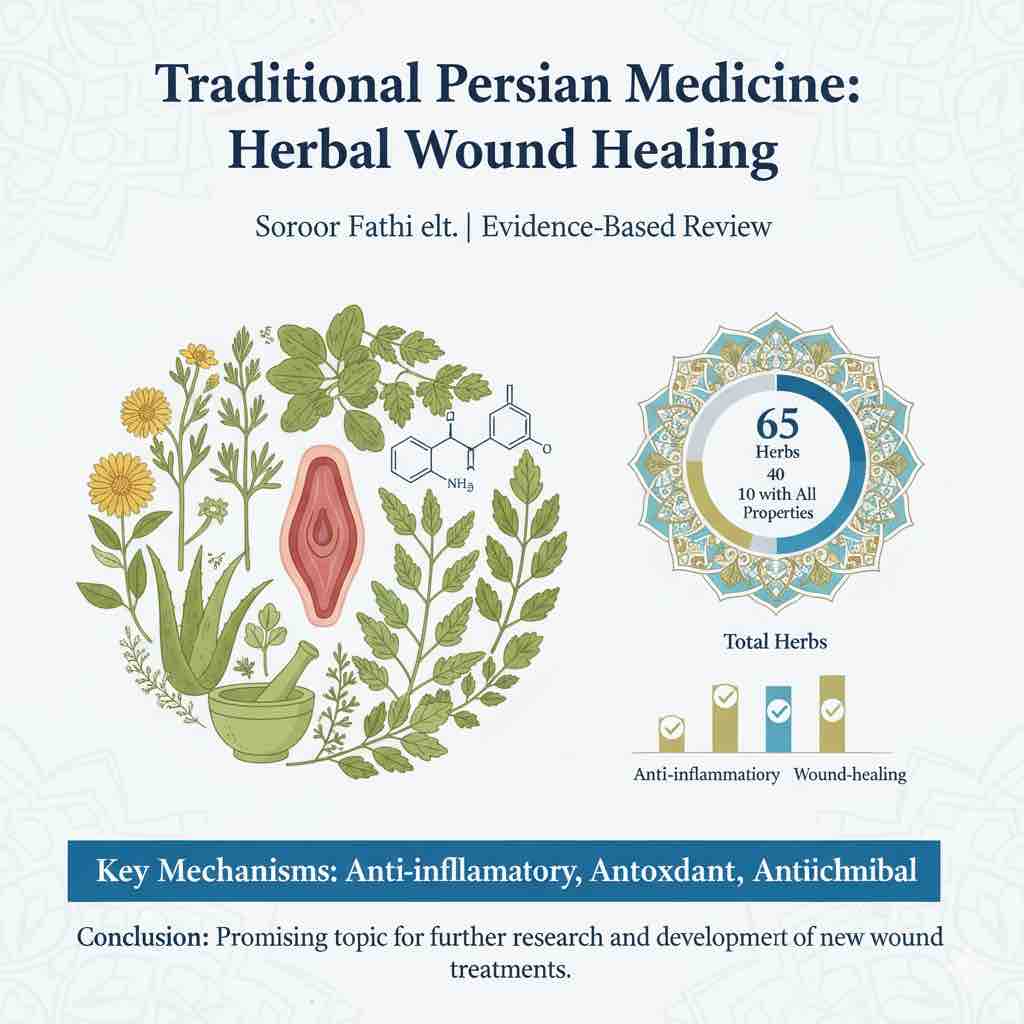
An Evidence-Based Review on Wound Healing Herbal Remedies From Reports of Traditional Persian Medicine

An Evidence-Based Review on Wound Healing Herbal Remedies From Reports of Traditional Persian Medicine

Sept. 30, 2025, مقالات ISI
An Evidence-Based Review on Wound Healing Herbal Remedies From Reports of Traditional Persian Medicine

Topical Formulation of a Natural Wound Healing Remedy Based on Traditional Persian Medicine

A scientific report on a novel herbal cream for skin wound healing, combining traditional Persian botanical knowledge with modern pharmaceutical research.

Oct. 20, 2025, مقالات ISI
Topical Formulation of a Natural Wound Healing Remedy Based on Traditional Persian Medicine

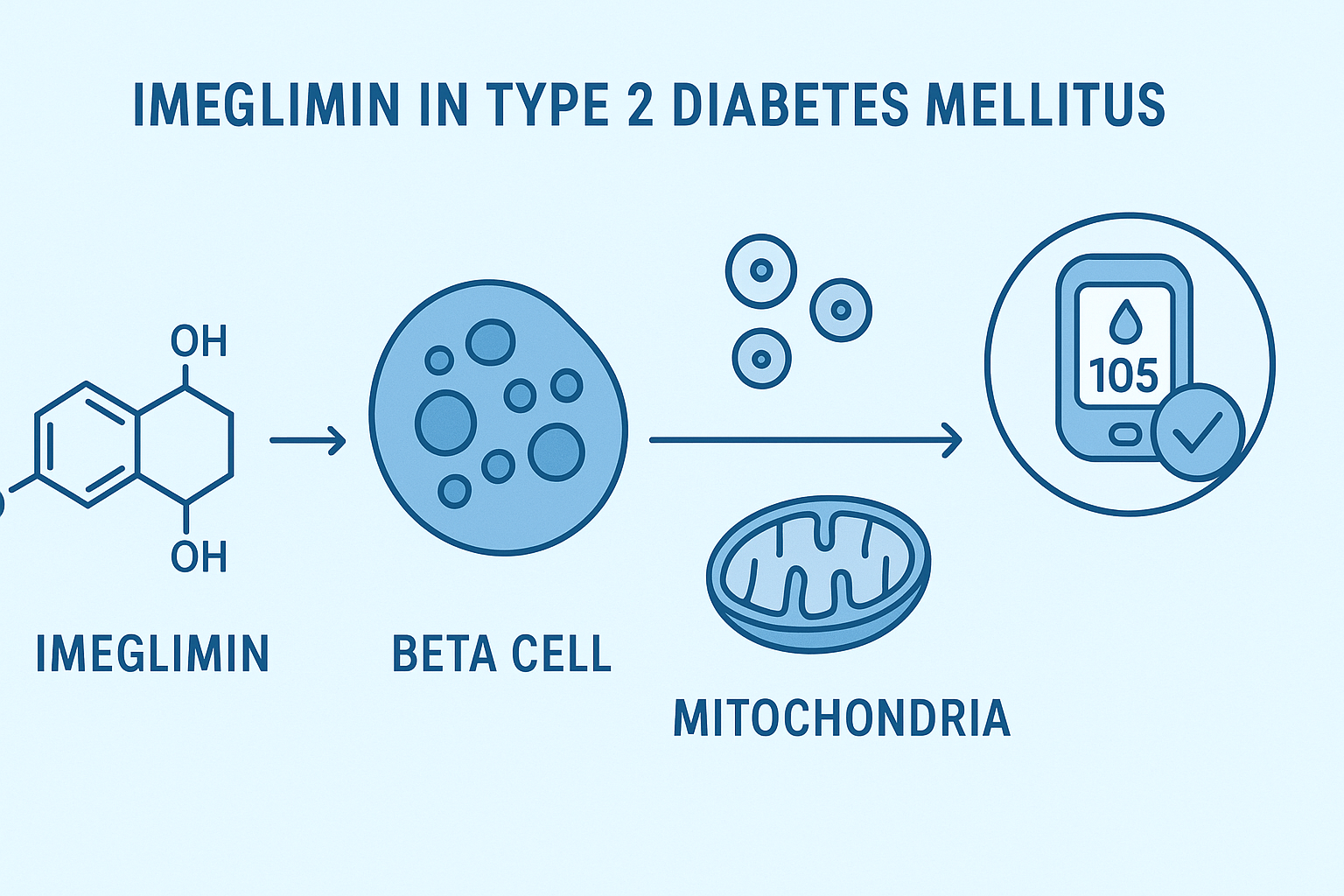
Imeglimin as an Effective Therapeutic Approach in Management of Type 2 Diabetes Mellitus: A Comprehensive Meta-Analysis

This umbrella and systematic review with meta-analysis evaluates the efficacy and safety of imeglimin for type 2 diabetes, showing significant improvements in glycemic control and beta-cell function.

Oct. 21, 2025, مقالات ISI
Imeglimin as an Effective Therapeutic Approach in Management of Type 2 Diabetes Mellitus: A Comprehensive Meta-Analysis

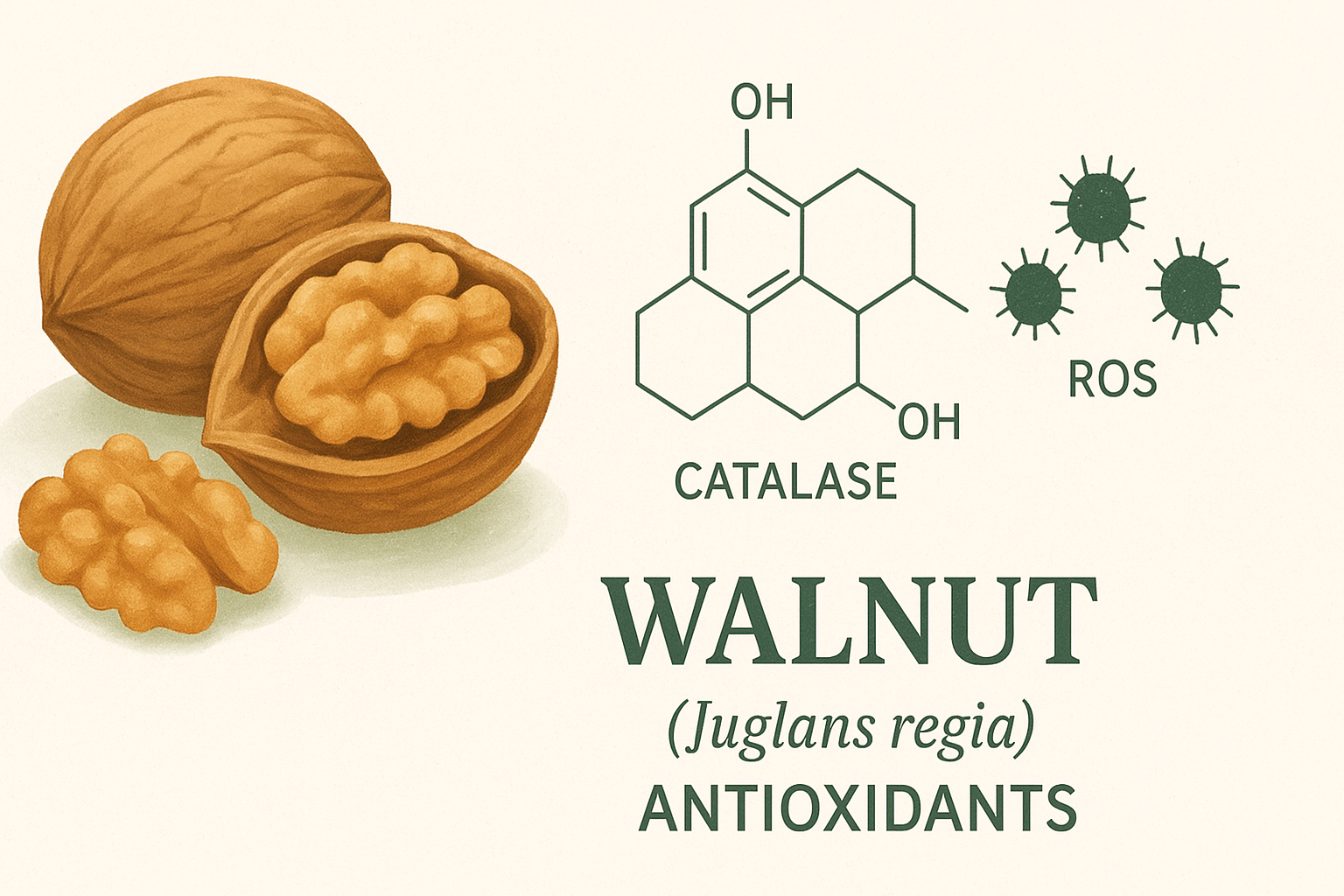
Effects of Walnut Consumption on Biomarkers of Oxidative Stress: A Systematic Review and Meta-Analysis

This meta-analysis evaluates how walnut intake influences key oxidative stress biomarkers, highlighting increased catalase activity with no significant changes in other markers.

Oct. 21, 2025, مقالات ISI
Effects of Walnut Consumption on Biomarkers of Oxidative Stress: A Systematic Review and Meta-Analysis